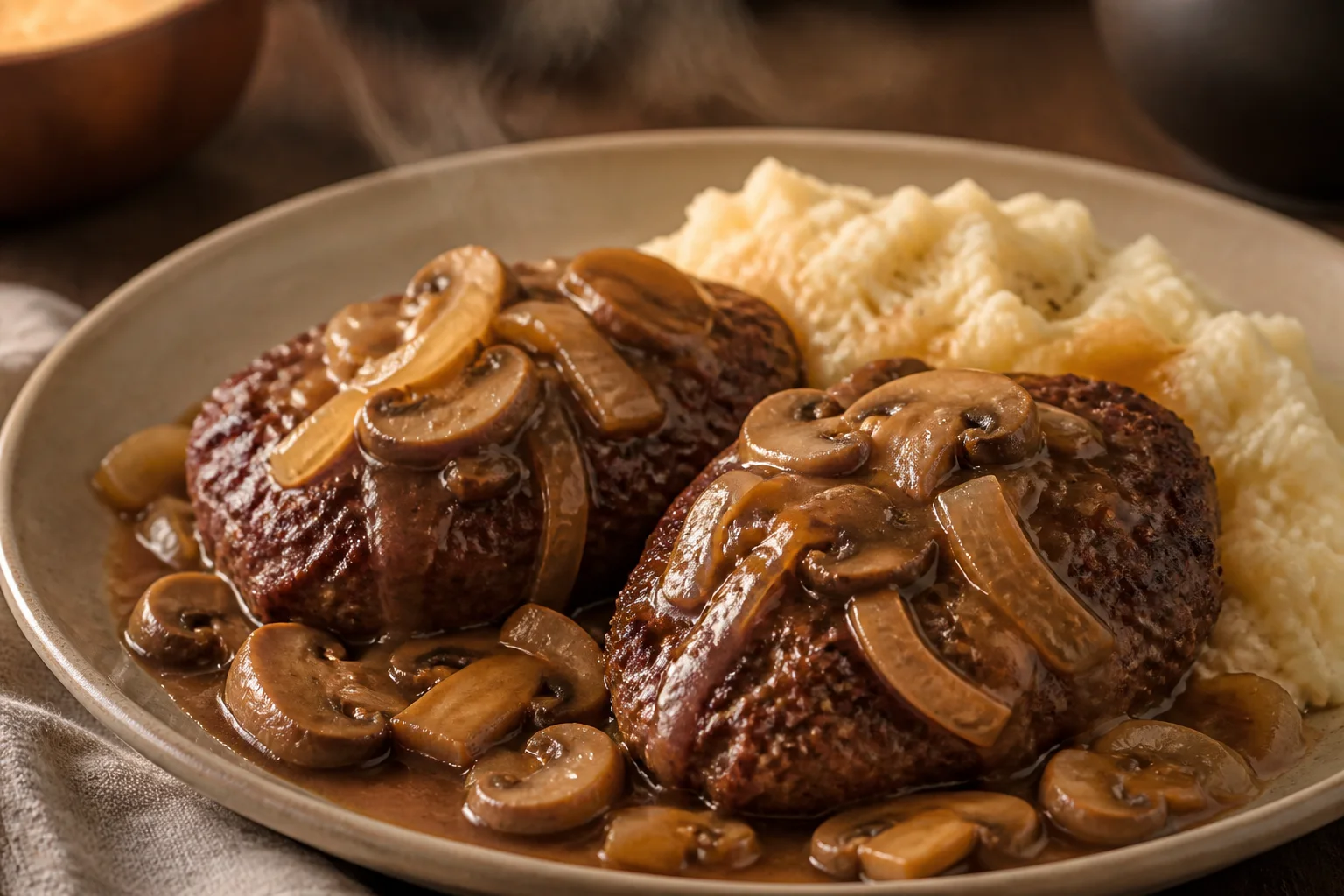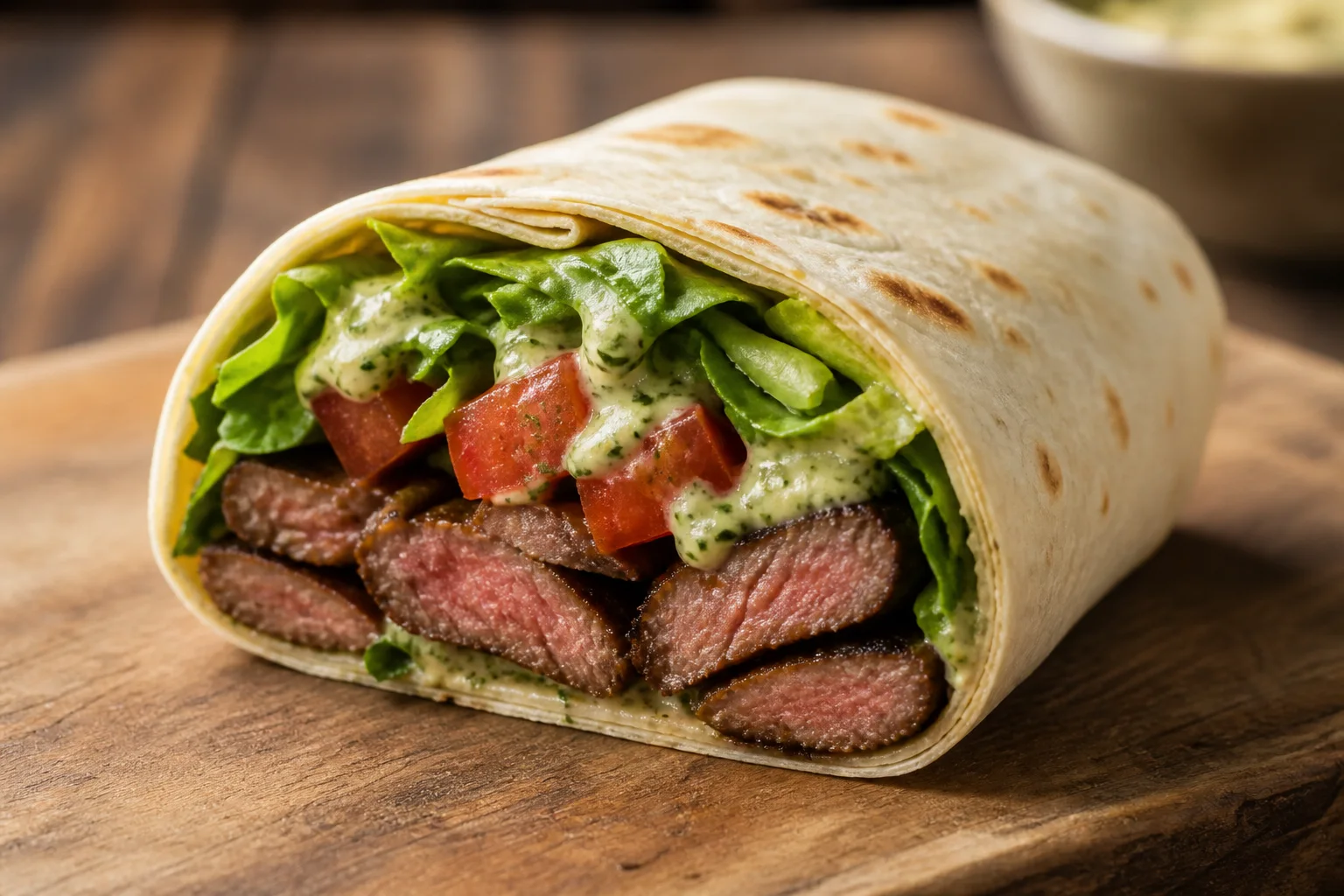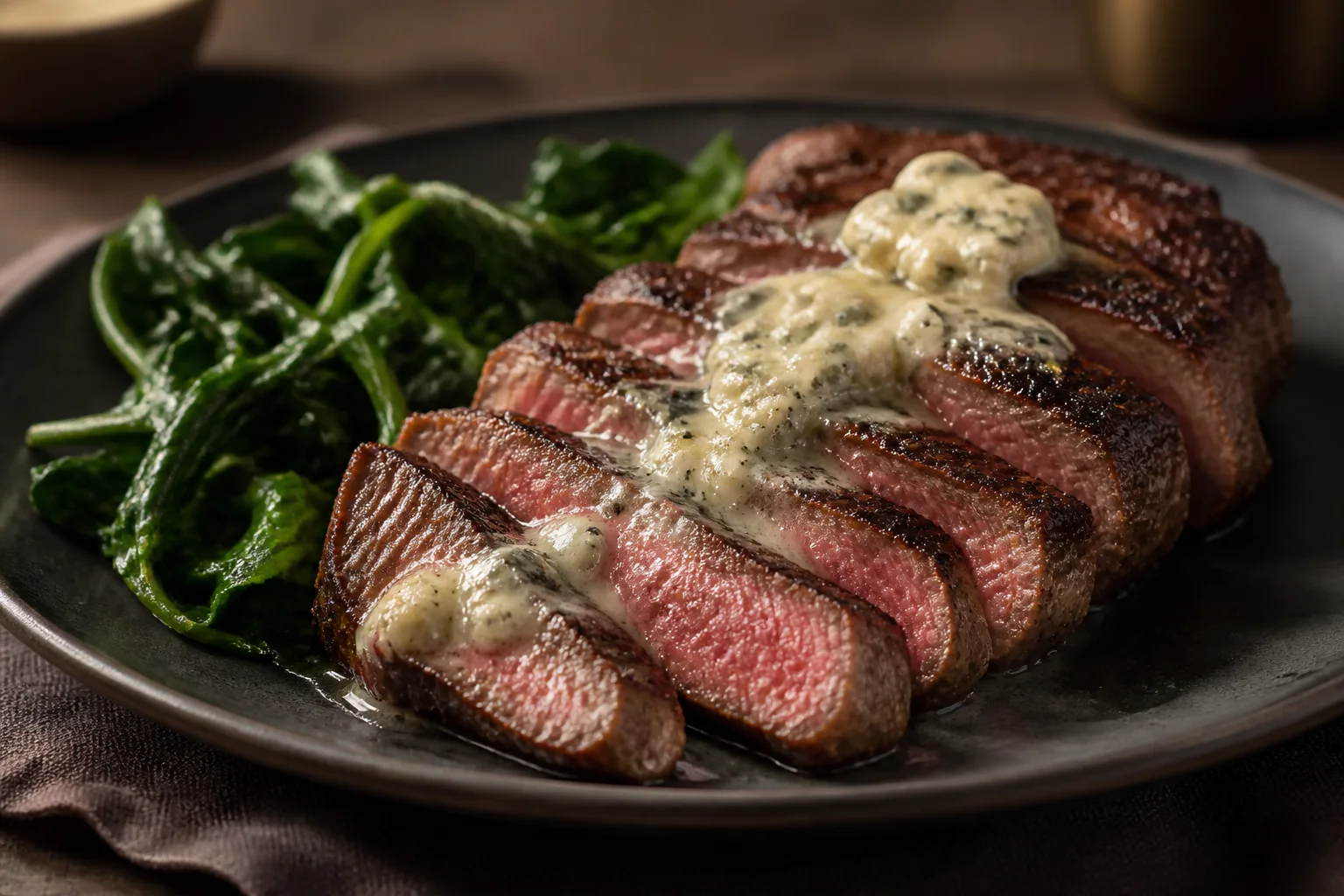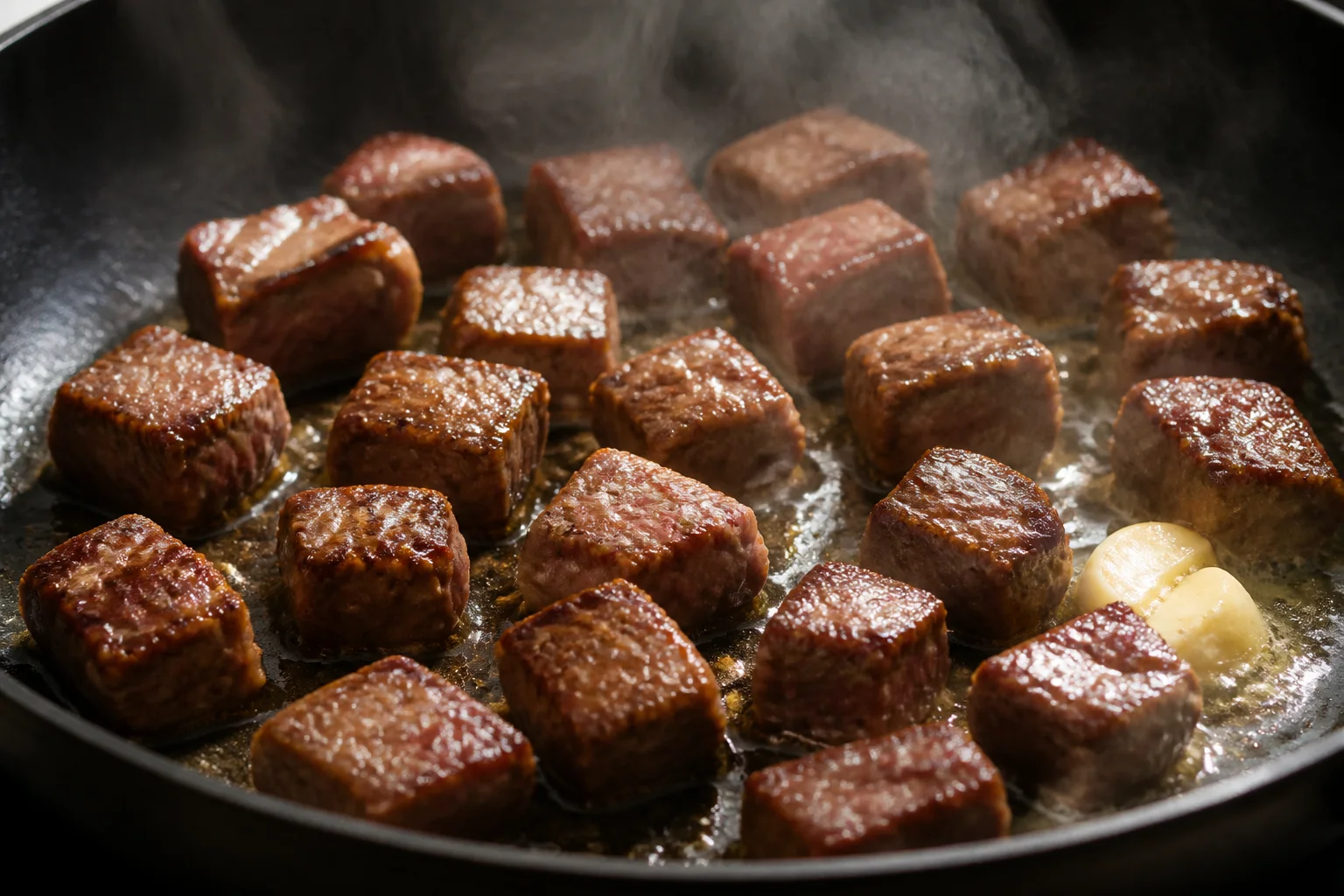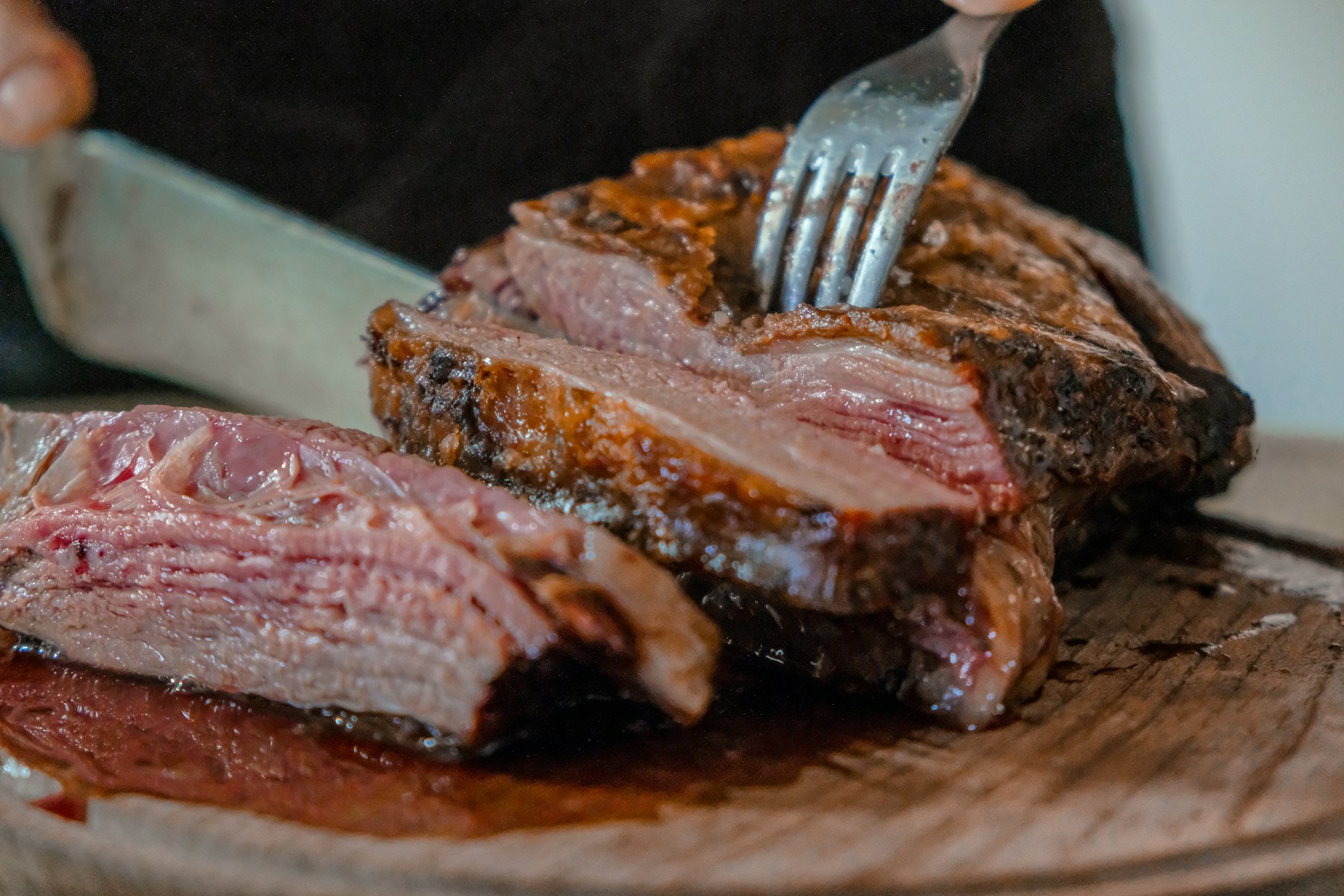
What Steak Dinner Ideas Means
Steak dinner ideas are complete meal frameworks built around the cut and available cooking method. A useful dinner idea coordinates cut, heat source, accompaniments and the resting window instead of offering a disconnected list of dishes. The useful question is not whether the phrase sounds premium or traditional; it is which cut, specification, ingredients and cooking sequence the seller or recipe actually uses.
A long recipe list is not useful when it ignores budget, equipment, dietary needs or timing. Treat names as a starting point, then verify the physical steak or written standard. Thickness, grain, marbling, trimming and cold-chain condition remain visible evidence even when terminology changes across countries, restaurants and retailers.
Use the broader steak cut directory to place the beef anatomically, then match it with the complete cooking guide rather than choosing heat from the name alone.
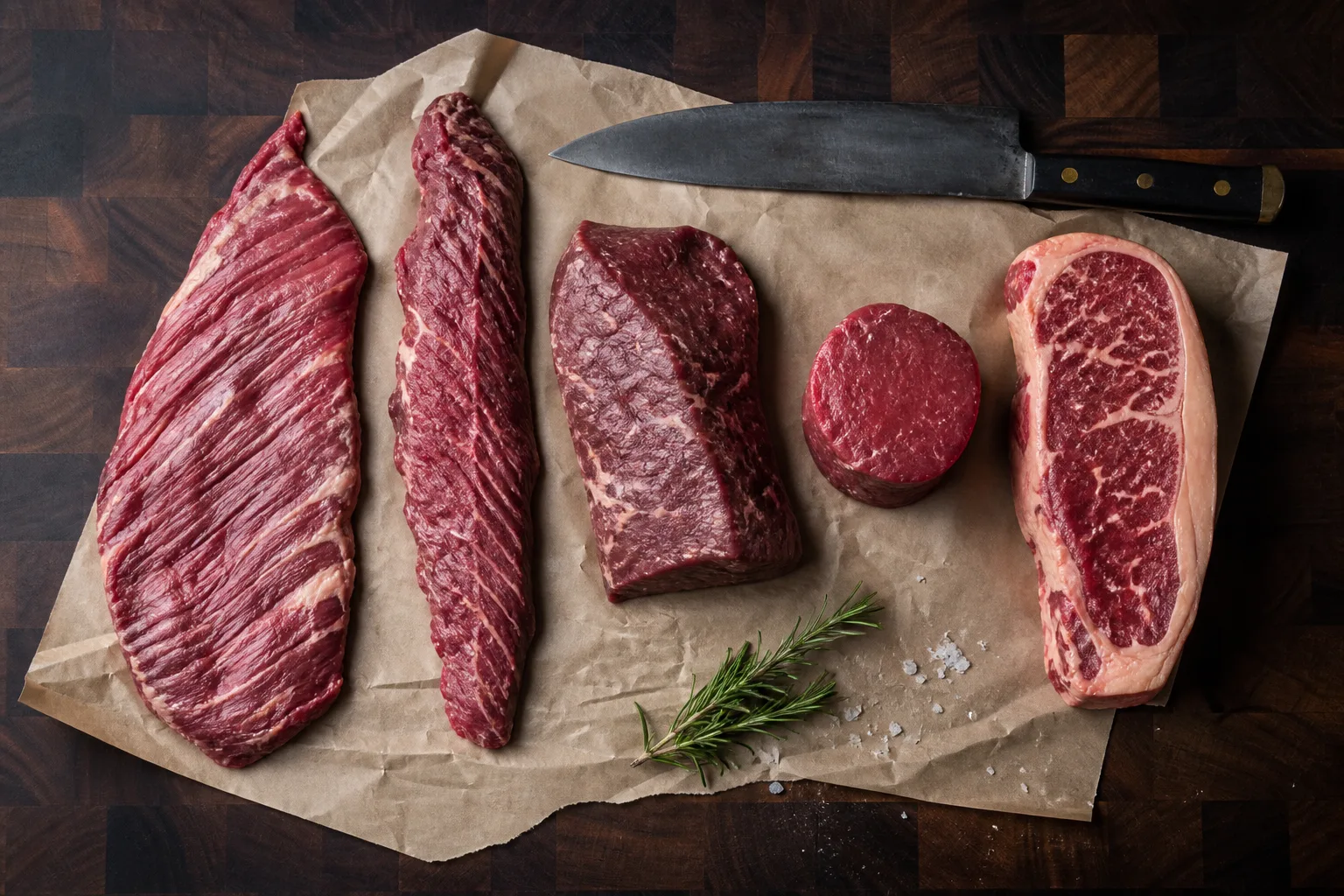
Verify the Cut, Claim or Recipe
Choose the steak and serving count first, then confirm which components can be prepared ahead and which must finish during the rest. Ask for the exact cut, weight, thickness, bone format, origin or certification when those details affect price. For a recipe, identify which ingredients supply salt, acid, sugar and fat before adding more of any one component.
- Name the beef. A style or marketing phrase never replaces the actual muscle or ground-beef blend.
- Check the evidence. Official grades, geographic claims and certification programs need documentation, not packaging color.
- Compare like with like. Hold cut, thickness, grade, aging and edible yield steady when comparing value.
- Read the whole method. Confirm equipment, timing, resting and slicing before beginning a recipe.
- Keep safety separate. Culinary doneness language does not replace the applicable official temperature guidance.
Plan the Cooking Workflow
Organize meals into quick pan dinners, two-zone grill plates, large-format centerpieces and sliced-steak bowls or salads. Stage tongs, thermometer, resting rack, clean platter and finishing ingredients before high heat begins. A written sequence is particularly valuable when sauce, vegetables, bread, rice or pasta must finish during the steak's rest.
| Decision | Evidence to use |
|---|---|
| Cut and thickness | Package, butcher specification and ruler |
| Surface readiness | Dry touch and even seasoning |
| Heat level | Controlled sizzle, grill zones or stable smoker |
| Center | Thermometer in solid muscle |
| Rest and slicing | Carryover, grain direction and serving format |
Fixed minutes can help schedule a meal, but appliance output and steak geometry vary. Measure the center at the coolest useful point. For bone-in cuts, check both major muscles; for thin strips or bites, work in uncrowded batches and remove finished pieces promptly.
Control Heat, Browning and Flavor
Cook the steak as its own temperature-controlled component and coordinate sauces, starches and vegetables around that center. Surface browning needs dryness and sufficient energy. Center doneness needs controlled heat travel. If the crust is ready first, finish over gentler heat; if the center is ready while the exterior is pale, the surface needed better drying or a shorter, stronger sear.
Salt timing can be early enough for a dry brine or immediately before cooking. Avoid the intermediate window in which salt has drawn water to the surface but it has not been reabsorbed or dried. Add sugar, minced garlic, delicate herbs and dairy late because they burn before beef develops a stable crust.
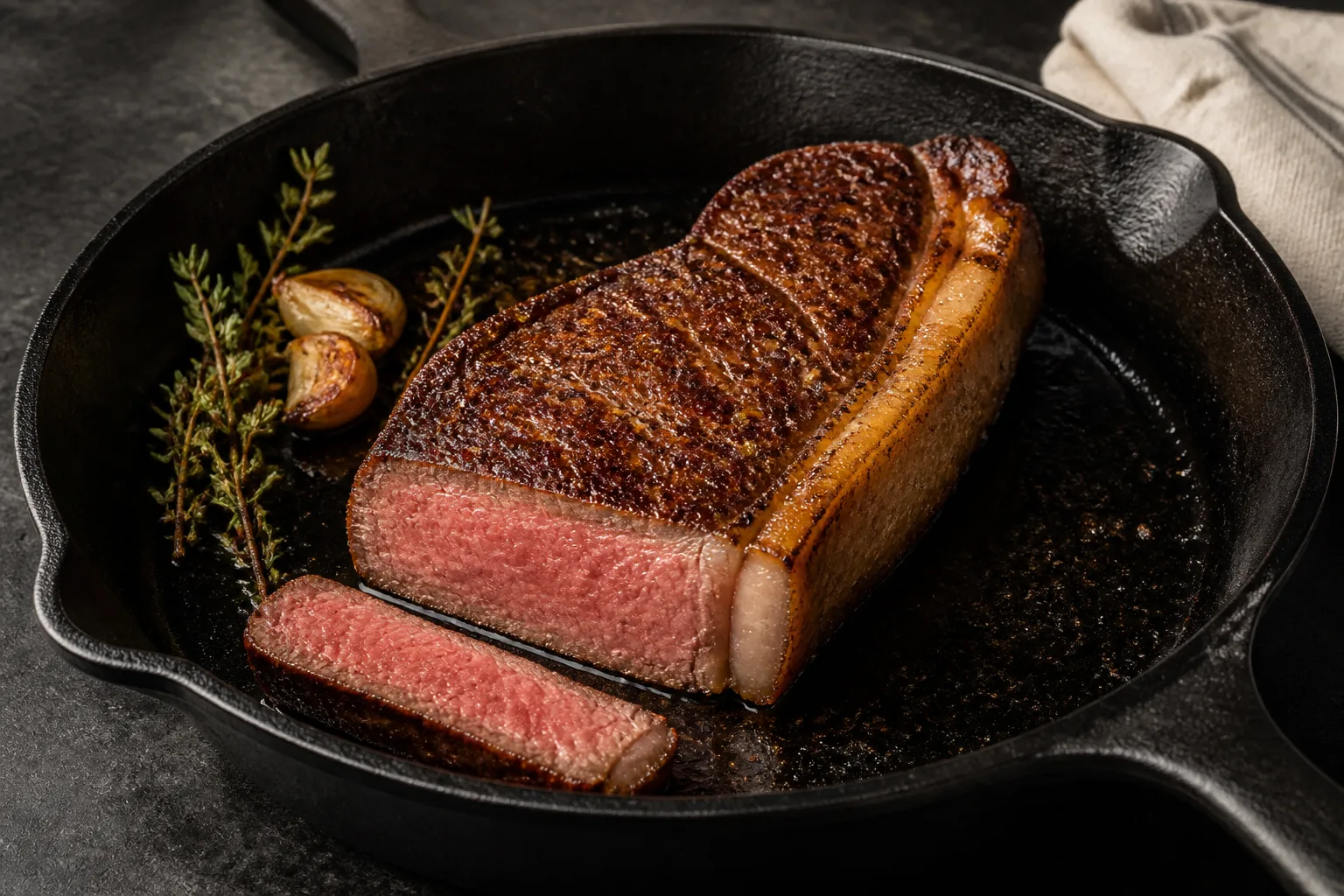
Judge Value and Quality
Price is meaningful only after edible yield and specifications are normalized. Bone, hard exterior fat, thick sauce, attached muscles and required trimming change the actual portion cost. For a dinner recipe, calculate how many useful servings the complete dish produces rather than comparing only package weight.
A more expensive label may buy traceability, an official grade, defined origin, additional aging or careful fabrication. It does not automatically buy a cut suited to your method. Request the evidence behind the premium and inspect the steak in front of you.
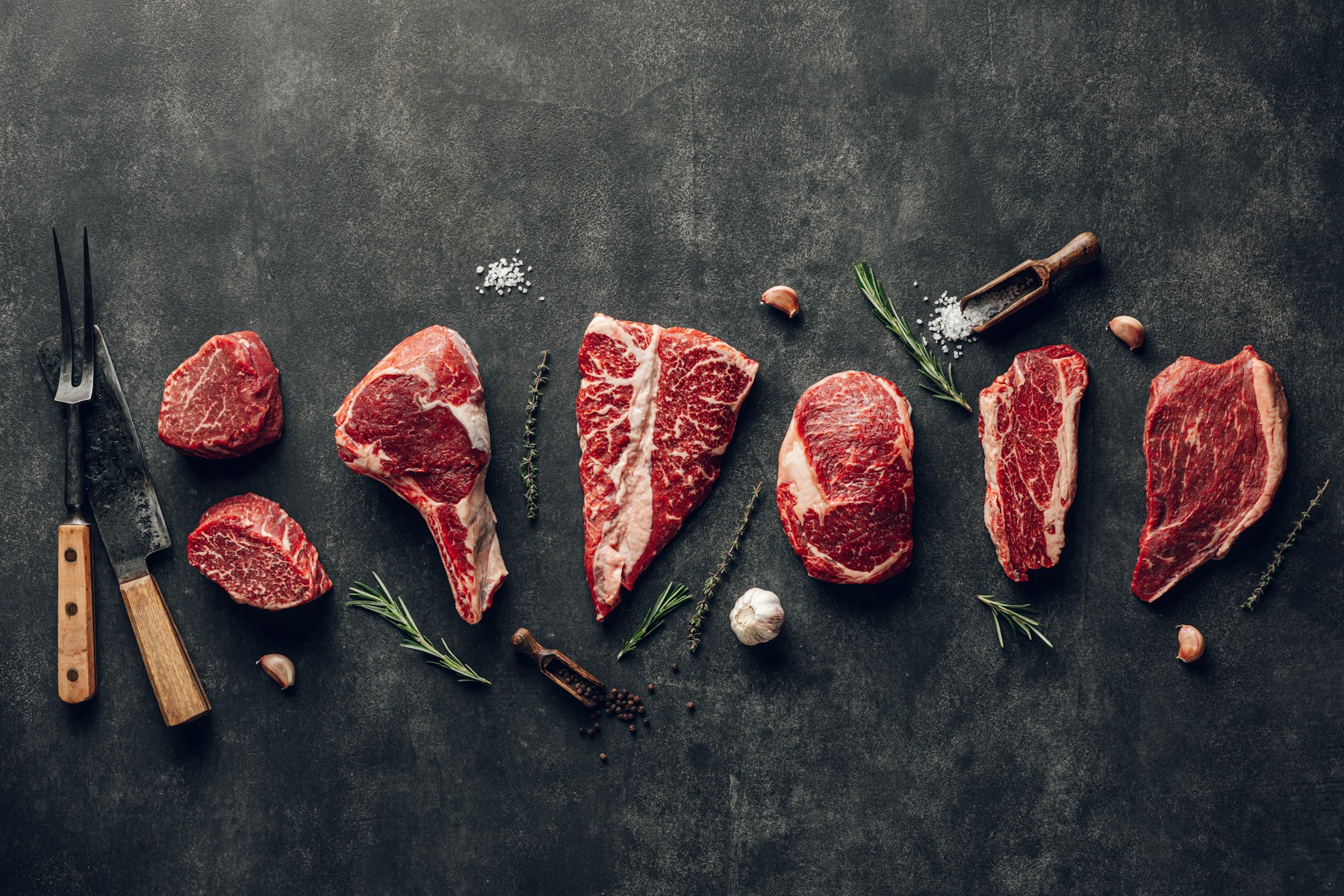
Related Cuts, Methods and Recipes
Continue with sirloin steak recipe, steak with blue cheese, steak mac and cheese, steak salad, steak rice bowl, steak pasta, porterhouse steak recipe. These pages connect the topic to its parent cut, a practical heat method and a recipe or comparison without repeating the same keyword as every anchor.
Keep a short cooking record: cut, thickness, surface treatment, heat source, pull temperature, peak temperature and rest. That evidence makes your next adjustment more useful than changing several ingredients at once.
Before publishing or repeating a recommendation, state what is known and what varies. Retail names can be regional, appliance settings are not calibrated temperatures, and label claims operate under different standards. Cite the governing source for regulated terminology, identify substitutions in recipes and avoid promising identical results from steaks with different thickness or marbling. This makes the guide more useful in a real kitchen: readers can preserve the decision logic when their butcher, grill, pan or available cut differs from the example.
Continue Through This Steak Topic
Build the full picture: Salisbury Steak Recipe, Steak Wrap Recipe, Steak with Blue Cheese, Steak Bites Recipe, Steak Bites and Potatoes, Steak Tacos Recipe, Swiss Steak Recipe, Steak Burrito Recipe, Steak Kabobs (Steak Skewers) Recipe, Blackened Steak Recipe, Steak Mac and Cheese Recipe, Teppanyaki Steak, Tuscan Steak, Steak Ramen, Steak Gorgonzola, Steakhouse Salad, Ribeye Steak Sandwich, Steak and Mashed Potatoes, Skirt Steak Sandwich, Ribeye Steak Tacos, Steak Taco Bowl, Steak Taco Salad, Teriyaki Steak Bowl, Whiskey Steak, Best Steak for Meal Prep, Bistec a lo Pobre, Steak Pinwheels, Tagliata di Manzo, Steak Pho, Steak Omelette, Steak Roulade, Steak Hash, Steak Stuffed Peppers, Steak Loaded Fries, Steak Chasseur, Beef Cheeks Recipe, Steak Side Dishes, Christmas Beef Dinner, Steak Carpaccio, and Broiled Burgers cover the closely related cuts, methods, buying decisions and recipes that support this guide.
When you need to compare across families or techniques, continue with recipes, steak temperature, and how to cook steak. These pages answer adjacent questions without forcing every detail into one overgrown article.
Frequently Asked Questions
Is steak dinner ideas one specific cut?
Not always. Confirm the named muscle or standardized specification because regional, style and marketing terms can cover more than one product.
What is the best way to cook steak dinner ideas?
Choose the method from cut, thickness and desired surface. Dry the beef, use controllable heat and measure the center rather than relying only on time.
How should I compare price?
Compare the same cut, grade, thickness, bone format, aging and edible yield, then verify any origin or production claim.